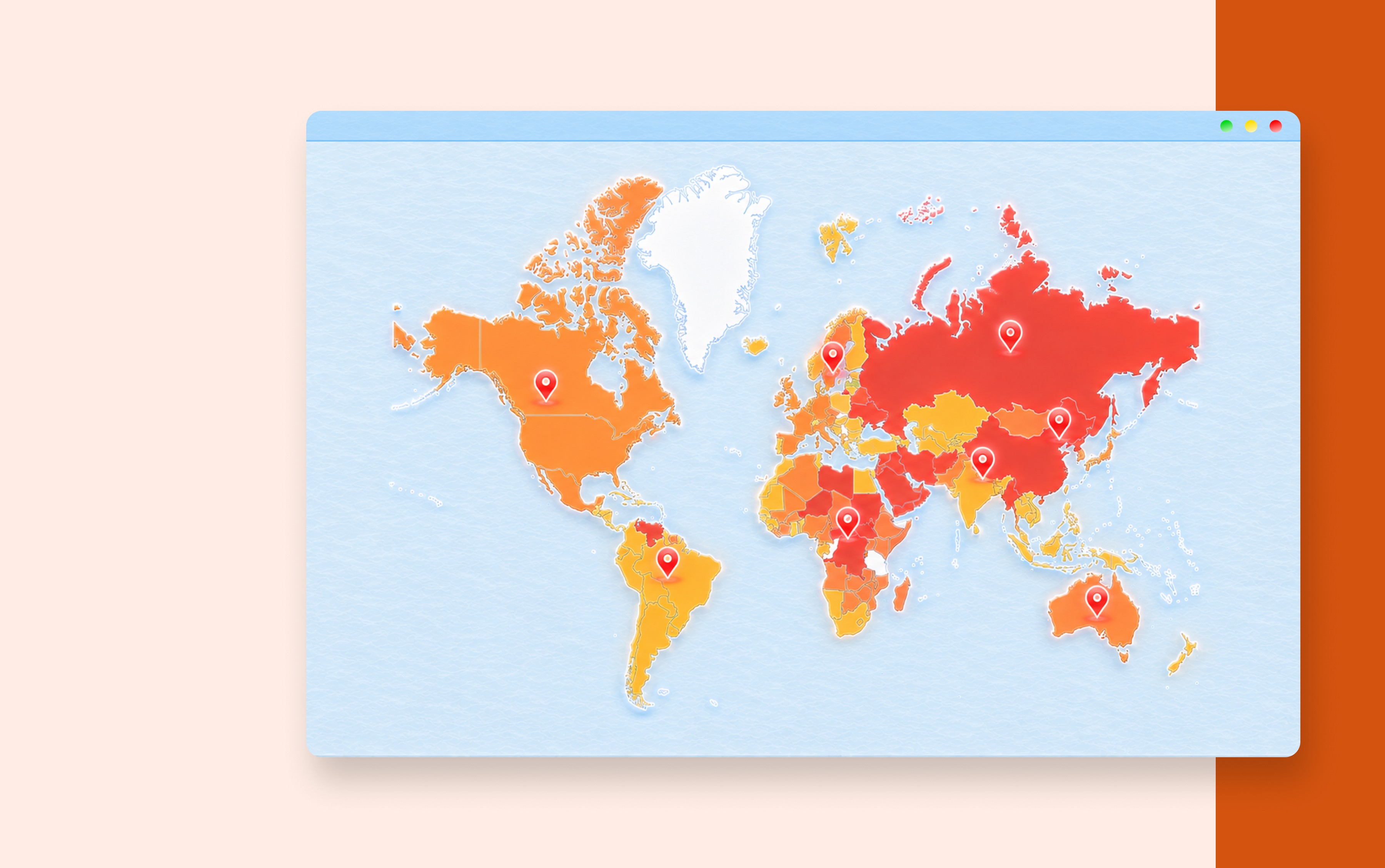
Location risk doesn't show up in a vendor questionnaire
Most third-party risk programs assess vendors and their headquarters, not where those vendors operate. But a third party in a stable financial position can still be exposed to a typhoon, a port strike, a power outage, or a sudden regulatory shift.
Do you know which of your critical vendors have offices or delivery operations in the cities most exposed to disruption right now?
Do you know what their business continuity plans look like if infrastructure fails or a public health event unfolds nearby?


Supply Wisdom helps organizations monitor location risk in ways that support key regulatory and supervisory frameworks. Examples include:
What Supply Wisdom helps you do
Monitor the locations your vendors depend on, not just the vendors themselves
Track risk across the specific cities and regions where your third parties operate, with the granularity to know exactly which parts of your ecosystem are exposed.
Detect disruptions before they become crises
Monitor natural disasters, infrastructure failures, labor unrest, and geopolitical events at the location level, early enough to inform contingency planning before disruption hits.

Prioritize what matters most
Tune location risk monitoring to the risk types and thresholds relevant to your operations, so your teams aren't managing a flood of regional alerts with no context.

Get alerts with analyst validation
Every alert is reviewed before it reaches your team, so location-based signals come with a clear picture of what happened, which vendors are exposed, and how urgently it warrants action.
Understand exposure across your global footprint
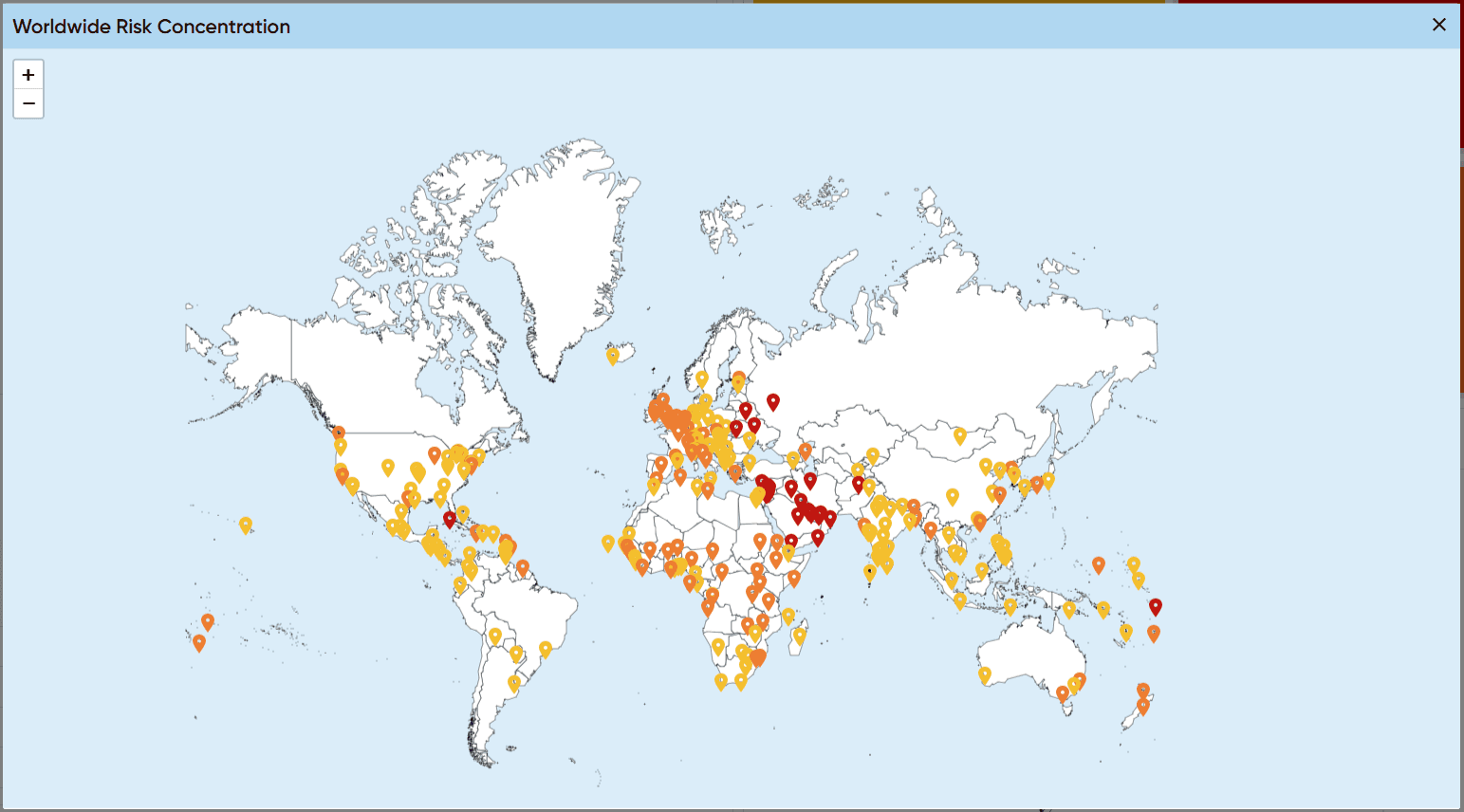
Gain visibility into geopolitical, economic, and regulatory risks affecting the regions where your vendors operate, including concentration risk when multiple suppliers share the same location.
Connect location risk to other domains
Identify where a regional event may overlap with operational disruption, financial stress, compliance exposure, or workforce instability across your third-party ecosystem.
These are examples of the event types we monitor in this domain. You decide which ones matter most, which locations they apply to, and what thresholds should trigger alerts.
1
Geopolitical risk
Political instability and government changes
Elections
Conflict and social unrest
Terrorism and ethnic tensions
Travel warnings
2
Governance and market confidence
Credit actions
Insider selling
Regulatory enforcement
Fraud-related developments
3
Infrastructure risk
Power supply and shortages
Transportation and traffic disruptions
Internet connectivity
Real estate capacity
4
Capital and liquidity events
Debt activity
Funding withdrawal
Buybacks
IPO-related signals
5
Business & scalability risk
Ease of doing business
Talent availability and attrition
Labor laws and workforce trends
Regulatory burden
Supply Wisdom doesn't stop at location. We monitor seven interconnected risk domains in one view, so a regional event isn't sitting in one dashboard while related financial, operational, or compliance signals show up in another.