Global Trade Under Pressure: Middle East War Expands Beyond Oil

Persistent escalation in the 2026 US-Israel-Iran conflict has triggered hybrid warfare extending beyond oil chokepoints, disrupting cyber infrastructure, data centers in Gulf hubs, regional airspace, and global supply chains.
Iranian retaliatory cyberattacks, missile strikes near Amazon Web Services (AWS) data center regions, and airspace shutdowns introduce erratic digital and physical disruptions that complicate predictive risk modeling and business continuity planning.
Airspace closures over Iran, Iraq, and Gulf states have grounded 75% of regional flights, surging rerouting costs by up to 40%. Simultaneously, cyber intrusions targeting hubs in Bahrain and the United Arab Emirates (UAE) now threaten critical cloud-hosted operations. The impact is acute for Asia-Pacific exporters. With 60% of Middle East data traffic routing through vulnerable Gulf nodes, firms are facing severe software delivery delays and remote work failures. Across the tech and manufacturing sectors, these unpredictable hybrid threats are driving rapid cost escalations and systemic operational instability.
Supply Wisdom recommends real-time monitoring of Middle East cyber intrusions, data center physical risks, airspace Notices to Air Missions (NOTAMs), container shipping reroutes, and Iranian proxy hacktivist activity, alongside regulatory shifts from sanctions.
Read on for insights into hybrid warfare vulnerabilities reshaping global digital trade and Asia-Pacific supply chain resilience.
Key Findings
Iranian Cyber Retaliation and Hacktivist Surge: Iranian Advanced Persistent Threats (APTs) and hacktivists have spiked Distributed Denial of Service (DDoS)/wiper attacks by 150+ incidents since February 28, 2026, spilling over to Gulf banks and Indian exporters. AWS Bahrain and Microsoft Azure UAE North, handling 20% of global cloud traffic, sit near US bases and missile paths, exposing workloads to dual kinetic/cyber threats. Cloud dependencies face 48+ hour outages; ransomware on shared IT has jumped 30%, impacting refineries and tech firms in India/China/Japan/Korea.
Proxy Militia Activity and Maritime Security Threats: Iran-aligned proxy groups operating in the Red Sea, Iraq, Syria, and Yemen are intensifying drone and missile attacks targeting shipping lanes, oil terminals, and Western-linked commercial assets. Recent incidents include drone strikes on oil tankers and attacks on port infrastructure in Oman and the Gulf region, demonstrating the ability of proxy forces to disrupt maritime traffic and energy exports.
Gulf Allies' Dual Exposure and Cooperation Boost: Multiple Gulf states (Saudi Arabia, UAE, Bahrain, Qatar) openly supporting US/Israel operations face heightened Iranian retaliation risks, including missile overflights and cyber targeting of shared infrastructure; however, this unprecedented regional alignment strengthens defense pacts and infrastructure investments, positioning these hubs for post-conflict business expansion in tech, logistics, and energy.
Data Center Proximity Risks: AWS Bahrain and Azure UAE North sit within 50 kilometers (km) of US bases and Iranian missile paths, facing dual kinetic/cyber threats from March 2026 drone strikes. These attacks damaged AWS sites in Bahrain (power outages from near-misses) and UAE (fires/structural harm), plus triggered Azure outages via regional grid/connectivity failures, knocking out 60+ AWS services (Elastic Compute Cloud (EC2), Simple Storage Service (S3), Lambda) and Azure functions for 6+ hours - hitting banks, ride-hailing apps, and data workloads while DDoS cut 15% uptime. This exposes 20% global cloud traffic through Gulf hubs carrying 60% Middle East data flows to disruption risks. Failover to backups adds 24–48-hour delays, raising costs 30% for time-critical finance/manufacturing ops and revealing key physical weaknesses.
Airspace and Flight Disruptions: Iran/Iraq/Gulf airspace closures halted 1,200+ daily flights (75% regional capacity); reroutes over Pakistan/Central Asia add 2–5 hours per flight and US$ 0.05 million/vessel fuel hikes. Surge in airfreight demand saturates alternatives, delaying high-value cargo like semiconductors by 4–6 weeks and inflating rates by 40% amid persistent NOTAM extensions.
Supply Chain Container Delays: Hormuz/Red Sea avoidance, triggered by the same conflict, has suspended 30% of Asia-Europe ships, leading to a 500K Twenty-foot Equivalent Unit (TEU) backlog at Indian ports like Mumbai and Chennai, where queues now stretch 14+ days. These Cape of Good Hope detours add 12–18 days and 25% fuel costs, bottlenecking electronics/auto parts and forcing inventory stockpiles up 40% across Asia-Pacific trade lanes.
Asia-Pacific Digital/Trade Vulnerability: China/India/Japan/Korea refineries and tech firms face 4–6-week delays from freight and air reroutes, while cyber intrusions on shared Gulf IT nodes have spiked ransomware by 200%, disrupting software pipelines and remote operations. This 60% Middle East data traffic exposure amplifies outages, forcing just-in-time manufacturing to endure 30% cost surges and supply shortages in electronics and renewables.
Energy Price Volatility and Refinery Disruptions: Refinery input costs are up 35% from Hormuz disruptions and 40% airfreight surcharges. Asia-Pacific energy firms now face 4–6-week crude delays, forcing spot market buys at 25% premiums, while cyber risks threaten operational control systems in energy infrastructure.
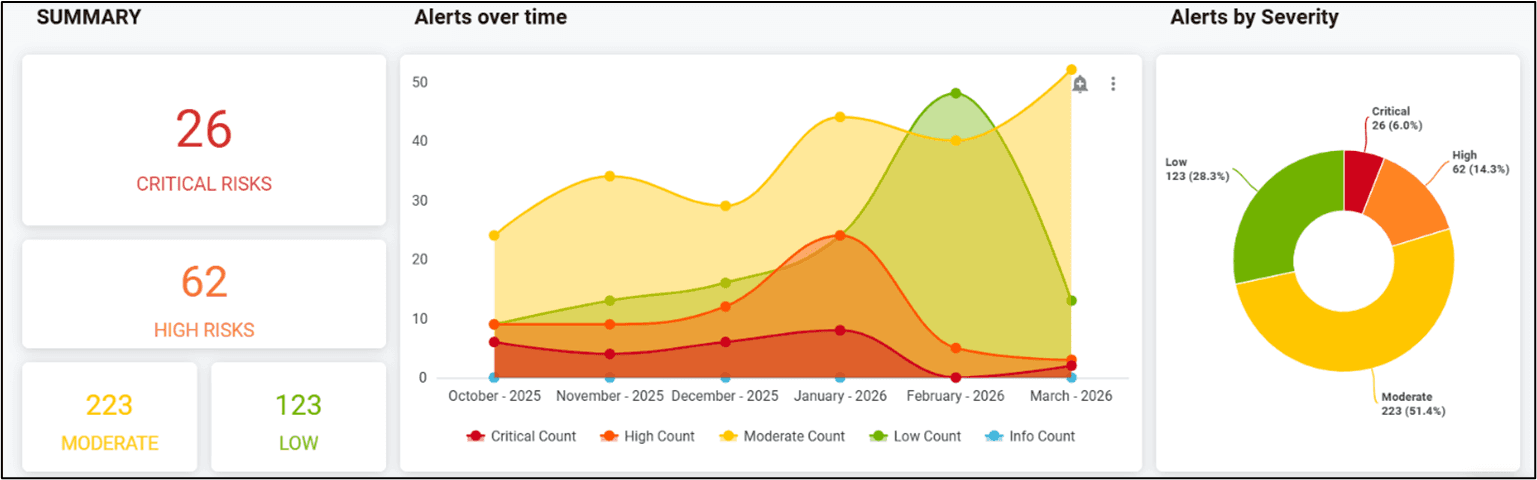
Source: Supply Wisdom Alerts covering Middle East’s Cyber Crime, Travel Disruption, Sabotage of Critical Infrastructure, Energy Crisis, Pricing Surge, and Power Outages from October 01, 2025, to March 06, 2026
Detecting Disruptions Before they Escalate
Continuous tracking of cyber-Tactics, Techniques, and Procedures (TTPs), data center alerts, Federal Aviation Administration (FAA)/European Union Aviation Safety Agency (EASA) Notices to Air Missions (NOTAMs), shipping routes, and hacktivist claims deliver 24-to-72-hour advance warnings. This enables timely Information Technology (IT) failover switches or airfreight rerouting to maintain operations.
Review insurance policies regularly to identify cyber coverage gaps and prevent claim denials during outages. Monitor pipeline and airspace capacity usage to detect overloads early, allowing proactive adjustments.
These monitoring steps collectively uncover patterns in protests and hacktivist actions, helping forecast policy changes or conflict escalations before they disrupt business.
Integrated multi-stream alerts empower firms to identify hybrid cyber-physical risks quickly, trigger contingency plans, and diversify key dependencies. This builds strong resilience for manufacturing and logistics operations. It also uncovers strategic opportunities, such as joint ventures with Gulf allies leveraging their closer US/Israel partnerships in secure data centers and expanded trade corridors.
Real-World Responses to Cascading Risk Signals
Analysis reveals how chokepoint dependencies, underinvested redundancies, asymmetric cyber/hybrid capabilities, and Iranian proxy volatility created multi-domain failures. Progression shows brinkmanship cascading from digital probes to physical strikes, amplifying trade risks.
Insurance Alert: Spotting 60% rate jumps post-hacks gave 2-4 weeks to back up before cloud shutdowns, saving uninsured losses.
Data Center Shift: Monitoring flagged heavy reliance on Gulf data centers early. Firms switched to backup sites in Singapore and the European Union (EU), avoiding 48-hour software blackouts.
Shipping/Flight Pivot: Data identified 75% flight reductions and 30% shipping capacity limits early. Quick rerouting halved India-Europe delays from 14 days to 7 days.
Supply Wisdom Alerts
Below are some of the alerts issued by Supply Wisdom that reflect real-time risk intelligence related to the ongoing conflict in the Middle East.
Critical Impact
March 2026:
Iran - Attack by Israel-Backed US - Death of Supreme Leader Ayatollah Ali Khamenei Reported
Multiple Countries - Iran Declares Closure of Strait of Hormuz; Shipping Disruptions and Tankers Set Ablaze as Middle East Conflict Intensifies - Oil & Gas Prices Surge Globally
January 2026:
Israel - Hackers Breach Telegram Accounts Linked to Israeli Officials - Alleged Data Leak of Contact Lists, Photos, Videos, and Chat Conversations Reported
Iran - Android Users Targeted by DeVixor Banking Malware Featuring Ransomware and RAT Capabilities for Financial Theft and Persistent Surveillance
Iran - Operational and Business Disruptions Continue as Internet Blackout Enters Third Week with Limited and Filtered Access
Iran - Operational Disruptions Continue as Mobile and Internet Services Blackout Extends Beyond 84 Hours Amid Ongoing Protests
Amazon Web Services - Critical CodeBuild Misconfiguration in JavaScript SDK Supply Chain Exposes GitHub Repositories to Unauthorized Access and Full Repository Takeover
High Impact
March 2026:
Iran - Operational Disruptions Continue as Mobile and Internet Services Blackout Extends Beyond 100 Hours Amid US-Israel Strikes
February 2026:
Israel - Israel National Cyber Directorate (INCD) Warns of Surge in Cyber Attacks from Mid-2025 to Early 2026 - Two Petabytes of Data Compromised
Beirut, Lebanon - Government Hikes Fuel Prices by 25% and Value Added Tax to 12% to Fund Public Salaries Amid Economic Issues, Triggering Nationwide Protests - Roadblocks Reported
January 2026:
Middle East - Threat Actor 'MuddyWater' Launches Phishing Campaign, Targeting Diplomatic, Maritime, Financial, and Telecom Sectors
Iran - Operation Disruption Reported Due to Widespread Demonstrations Triggered by Economic Turmoil, Killing 62 People
Iran - Operational Disruptions Due to Comprehensive Internet Shutdown - Businesses Impacted and Financial Loss Reported
Moderate Impact
March 2026:
Kurdistan Region, Iraq - Oilfield Halts Production Following Drone Strike on Energy Infrastructure
Azerbaijan - Temporarily Closes Airspace and Border Crossings with Iran Following Drone Attacks Amid Ongoing Escalating Tensions
Qatar - Authorities Issue Emergency Alert Warning in Doha Amid Explosions and Regional Tensions
Middle East - ~330,000 Civilians Displaced Amid Rising Geopolitical Tensions - United Nations Declares 'Major Humanitarian Emergency'
Amazon Web Services - Service Disruption Reported Following Dubai Data Center Fire After Missile Attack by Iran - Operations in Bahrain Also Affected
Multiple Countries - Iran Closes Strait of Hormuz, Halting Global Oil Shipments Amid Tensions with US and Israel
USA - Closes Embassy in Abu Dhabi and Consulate General in Dubai Amid Escalating Regional Tensions
United Arab Emirates - Banking and Financial Institutions Face Temporary Service Disruptions Following Region-Wide IT Outage - Mobile and Online Banking Services Impacted
Multiple Countries - Operational Disruptions as Flight Fares Surge and Airlines Cancel Several Flights Due to Airspace Closures Amid Escalating Israel-Iran Conflict
Amazon Web Services - Service Disruption Reported Following Dubai Data Center Fire After Missile Attack by Iran - Operations in Bahrain Also Affected
Southern Region, Kuwait - Power Outages Reported Following Drone Debris Damage Overhead Lines
GCC - Gulf Cooperation Council - Stock Market Disrupted - Kuwait Halts Trading Amid Rising Israel-Iran Tensions and Regional Market Selloff
Multiple Countries - Indian Airlines Cancel 350 Flights as Israel-Iran Conflict Intensifies - Air India Suspends Additional Long-Haul Services to Europe
Iran - Cyberattack by Israel Amid Ongoing Military Strikes - Internet Disruptions and Digital Blackout Reported
February 2026:
Bahrain - Potential Data Breach Reported in the National Security Agency’s Email Server Infrastructure Targeting Government Sector - 200 Gigabytes (GB) of Data Allegedly Compromised
Multiple Countries - US Signs Executive Order Threatening Additional Tariffs on Countries Continuing Economic Ties with Iran
January 2026:
Iran - International Airlines Cancel Flights to the Middle East Region Amid Escalating Geo-Political Tensions
Iran - Anti-Regime Activists Hack State Television Channels to Broadcast Opposition's Message and Protest Footage
Low Impact
March 2026:
Egypt - Operational and Travel Disruptions in Nile River Tourism as Cruise Lines Cancel Sailings Amid Escalating Gulf Regional Tensions - Evacuations of Passengers Reported
Canada - Surge in Gas Prices Reported Amid Escalating Conflict in Middle East
Multiple Countries - Surge in Hacking Attempts Targeting Surveillance Cameras Amid Rising Regional Tensions
Middle East - Threat Actor Groups Intensify Cyberattacks on Critical Infrastructure Amid Rising Geopolitical Tensions
Recap
The Middle East conflict has expanded beyond oil into hybrid threats, including cyber-attacks on Gulf data centers, flight disruptions from Iran/Iraq/Gulf airspace closures, shipping reroutes around Hormuz/Red Sea, and energy price surges that now disrupt global trade.
In February-March 2026, US-Iran military strikes hit near AWS Bahrain and Azure UAE North regions, hacktivists targeted 150+ sites, flights were grounded, and shipping containers rerouted. However, Gulf allies' unified backing of US/Israel positions points to strong recovery prospects. Asia-Pacific firms face freight delays, IT outages, ransomware spikes, and refinery cost jumps as a result.
Continuous monitoring of cyber, airspace, and supply chain signals remains critical to manage these shocks. Organizations that integrate real-time geopolitical monitoring, diversified cloud infrastructure, and flexible logistics planning will be better positioned to mitigate operational disruptions and maintain supply chain continuity in an increasingly volatile trade environment.